Our Mission
To preserve the beauty and biodiversity of the earth and to provide programs so that children may know the wonder and joy of nature.
We use cookies to help you navigate efficiently and perform certain functions. You will find detailed information about all cookies under each consent category below.
The cookies that are categorized as "Necessary" are stored on your browser as they are essential for enabling the basic functionalities of the site....
Necessary cookies are required to enable the basic features of this site, such as providing secure log-in or adjusting your consent preferences. These cookies do not store any personally identifiable data.
Functional cookies help perform certain functionalities like sharing the content of the website on social media platforms, collecting feedback, and other third-party features.
Analytical cookies are used to understand how visitors interact with the website. These cookies help provide information on metrics such as the number of visitors, bounce rate, traffic source, etc.
Performance cookies are used to understand and analyse the key performance indexes of the website which helps in delivering a better user experience for the visitors.
Advertisement cookies are used to provide visitors with customised advertisements based on the pages you visited previously and to analyse the effectiveness of the ad campaigns.
Other uncategorised cookies are those that are being analysed and have not been classified into a category as yet.


About Us


Donate

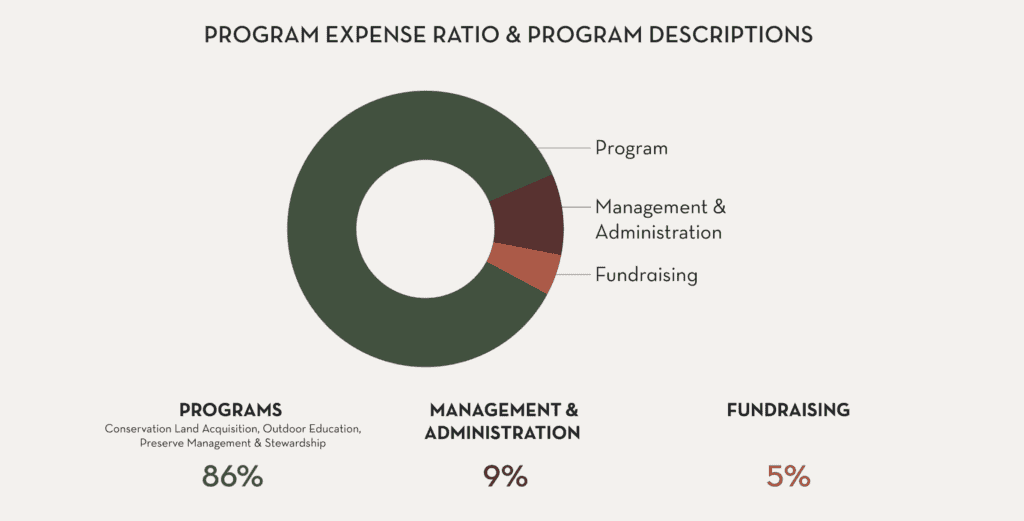
The financial information provided here is derived from our audited financial statements. For additional detail, review our complete audited financial statements and 990s using the links below. The Wildlands Conservancy is a California nonprofit public benefit corporation. Tax Identification No. 33-0676450.
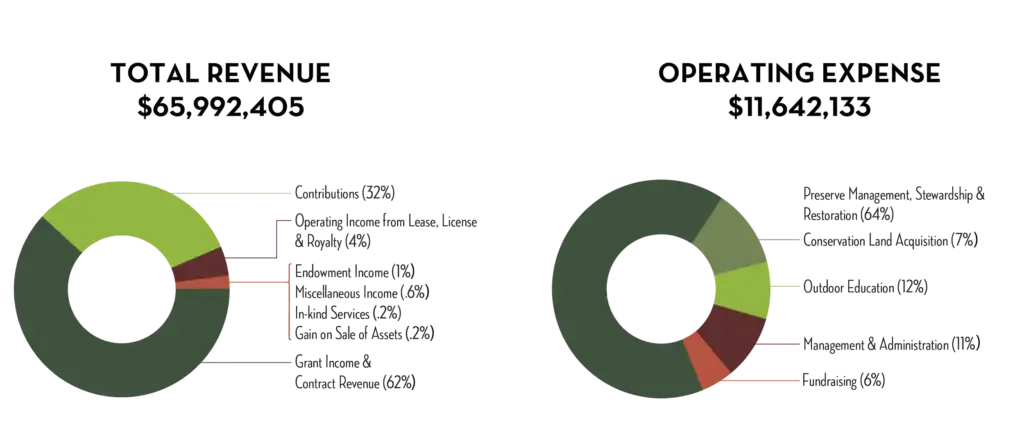
Total revenue was $65.9 million, including more than $40 million in grant funding — of which $38.075 million was restricted for land acquisition.
These funds, primarily from public sources, supported the acquisition of more than 25,800 acres, described on the next page. This funding was not available for operational use. Non-cash contributions also increased significantly, including a generous excess value donation from the seller of Rana Creek Ranch — allowing us to acquire the property below market value.
Together, these extraordinary transactions increased our total assets by 34%, from nearly $181 million to more than $242 million, while enabling the permanent protection of tens of thousands of acres of vital habitat and the expansion of free public access and outdoor education opportunities.
To our public agency partners, foundation supporters, individual donors, and nonprofit collaborators — thank you. Your support made this historic year possible.
Jennifer Francis
Chief Financial Officer
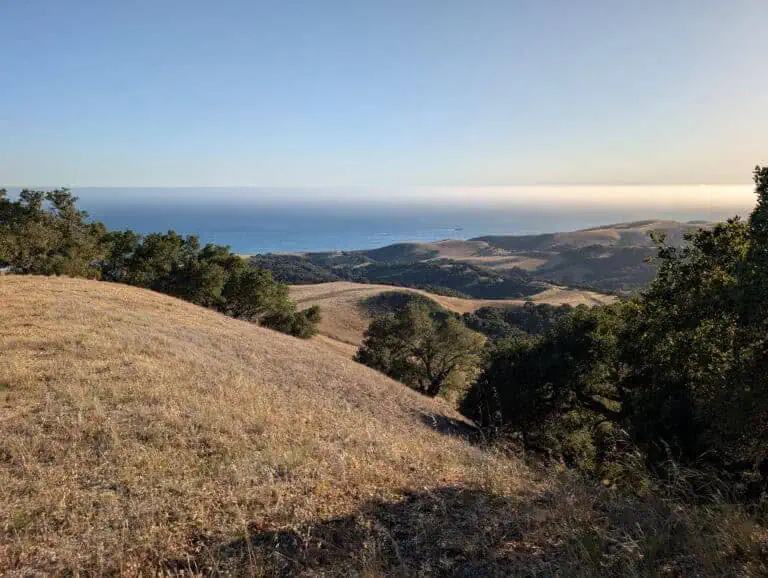
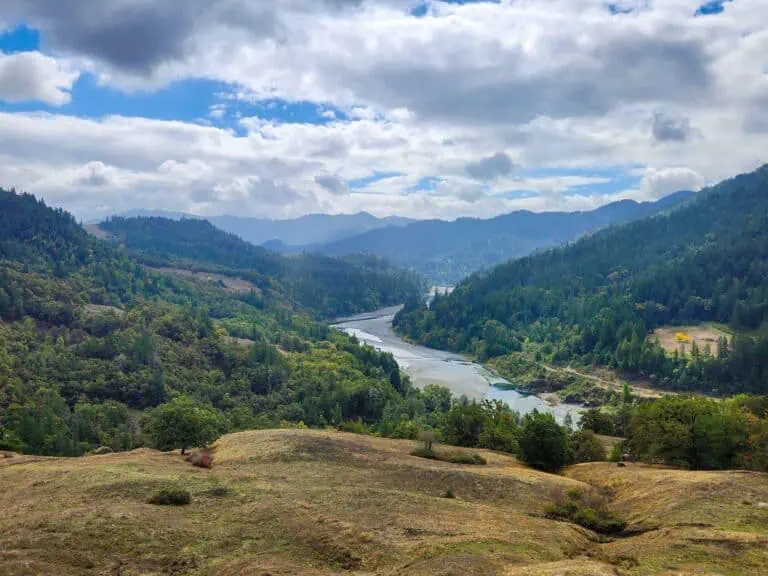
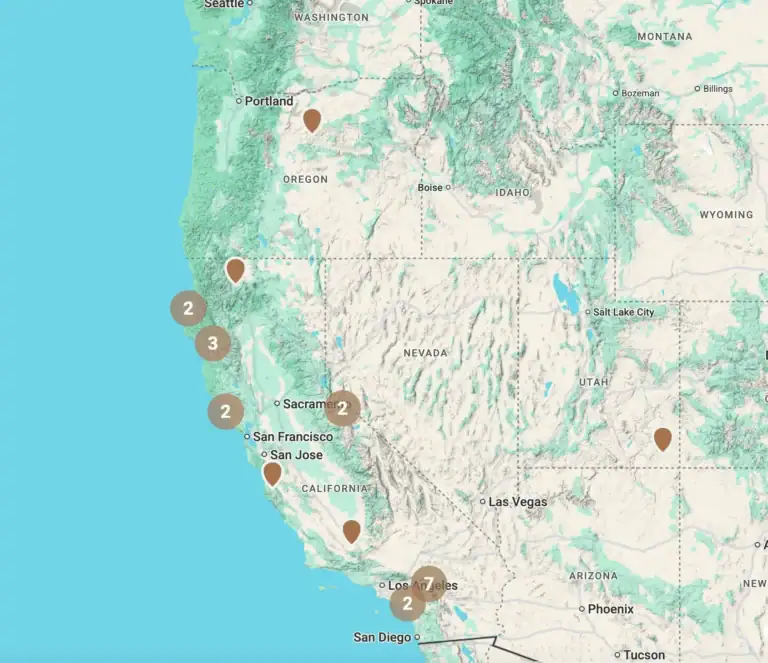
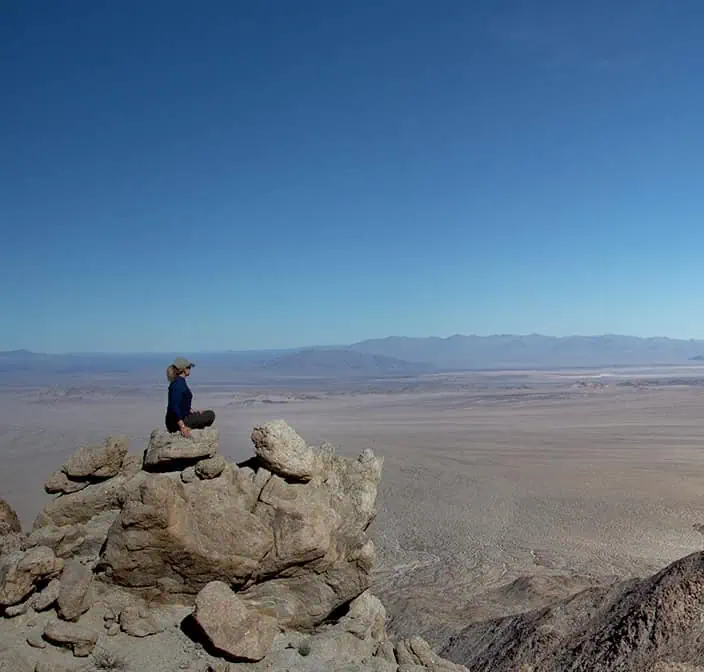
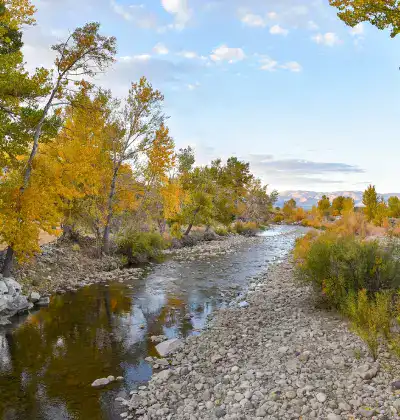
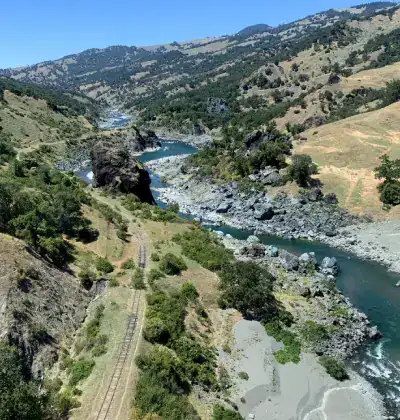
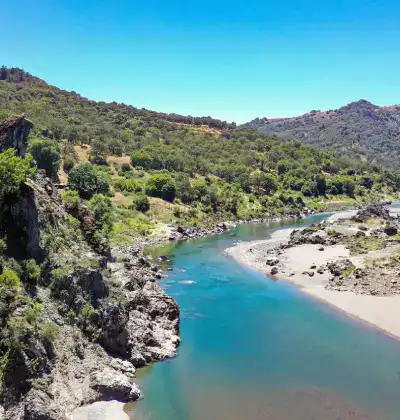
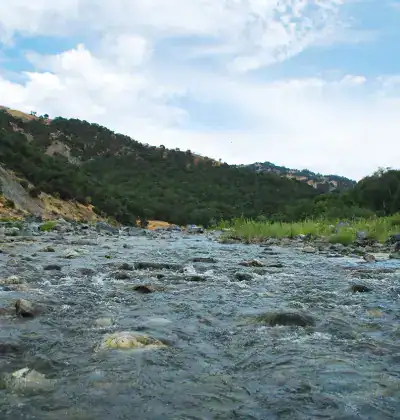
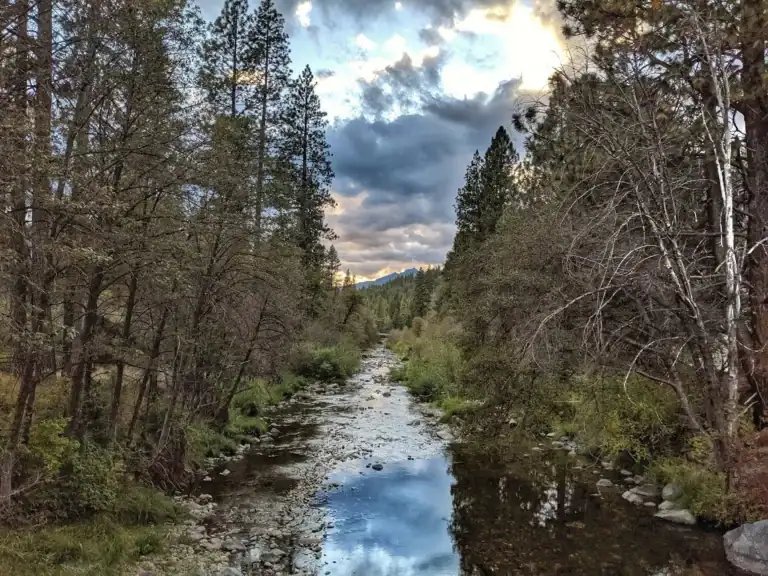
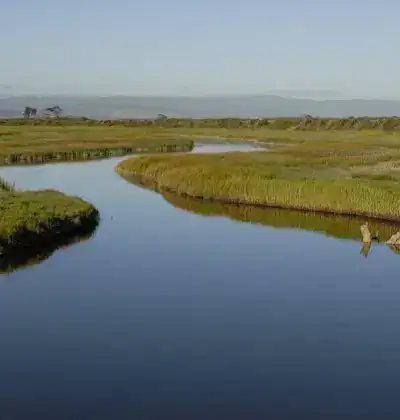
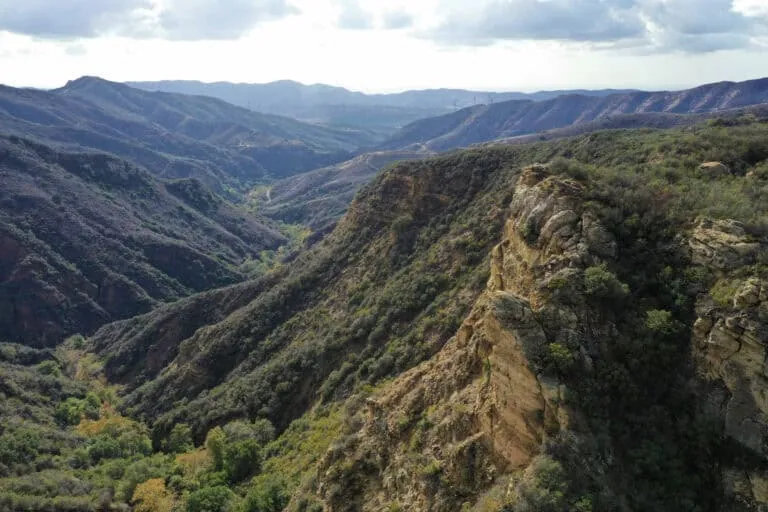
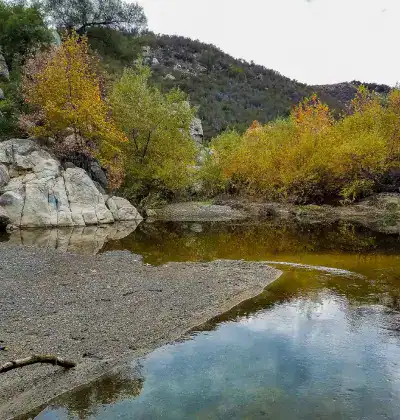
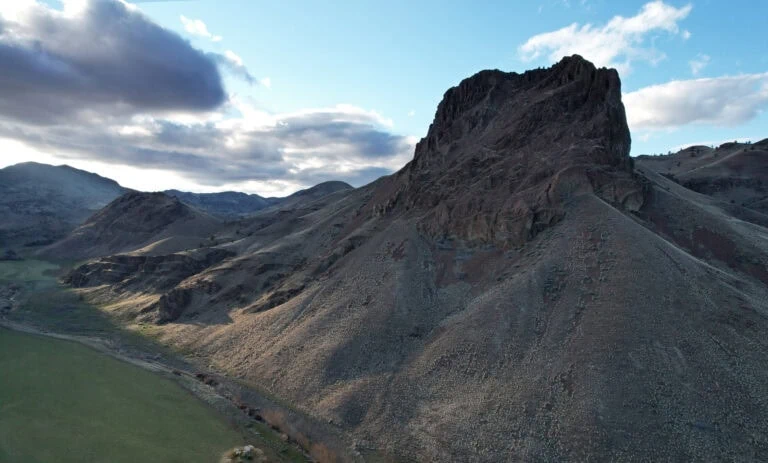
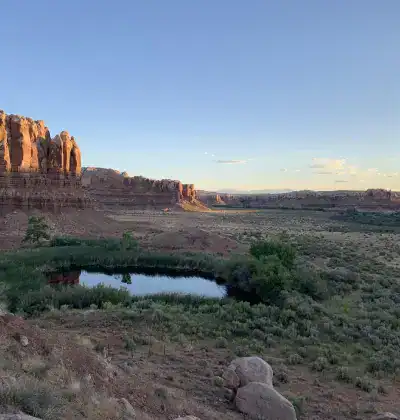
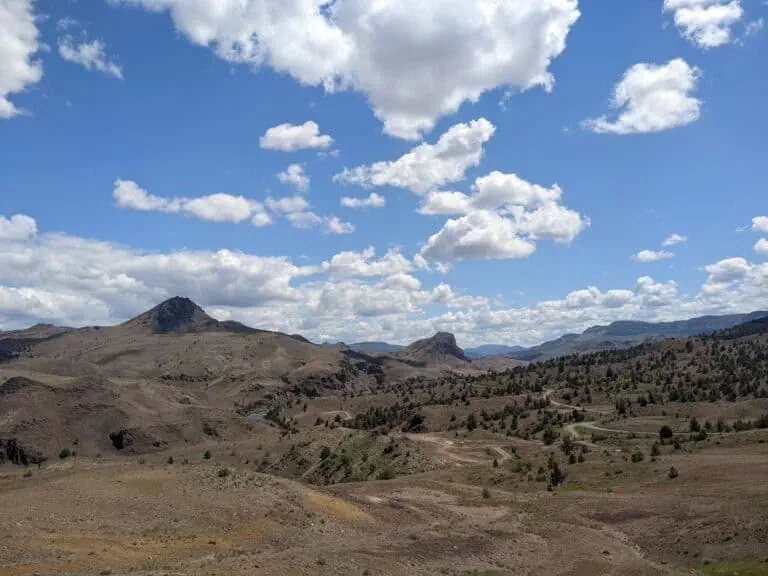
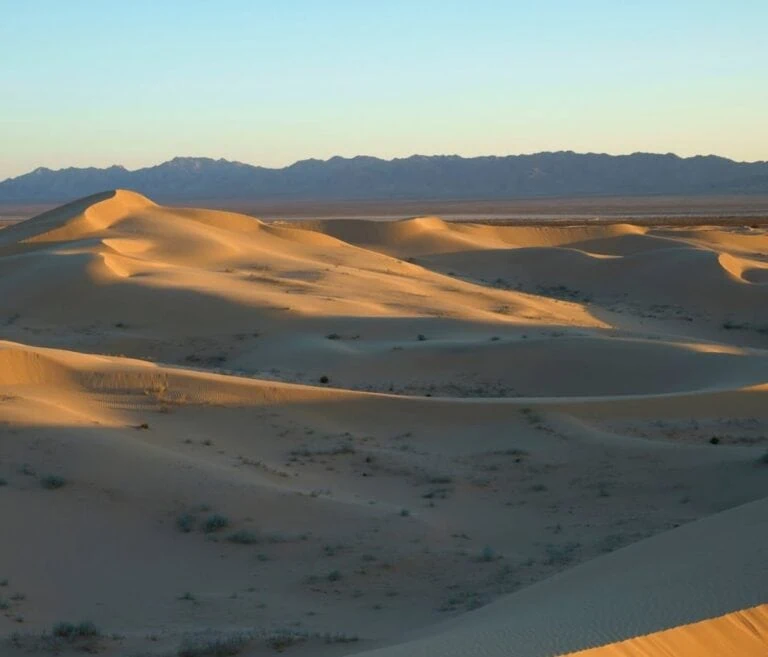
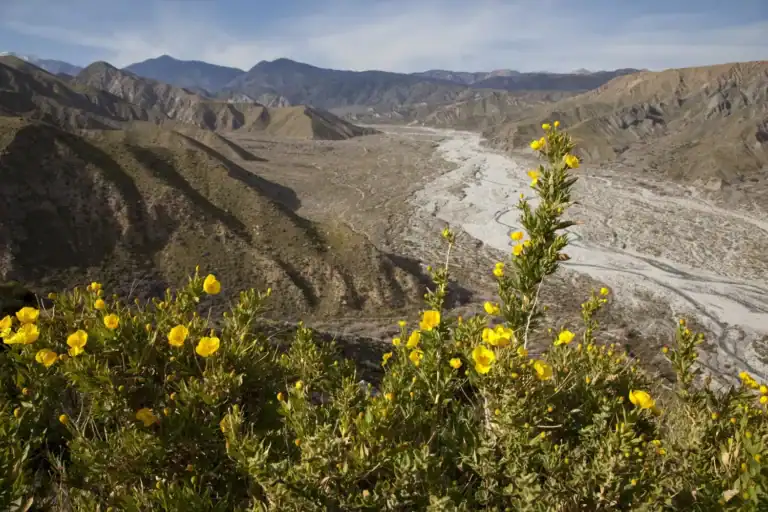
During the fiscal year, The Wildlands Conservancy conserved thousands of acres across the West, expanding our preserve system and protecting critical habitat. We established Rana Creek Preserve, our first preserve on California’s Central Coast, and Speaking Springs Preserve, our first in Utah. We also completed the final phase of the Eel River Canyon Preserve acquisition, safeguarding a vast stretch of Northern California’s wild river corridor. In the Eastern Sierra, we expanded Two Rivers Preserve by 2,400 acres, protecting habitat connectivity for wildlife and climate resilience.
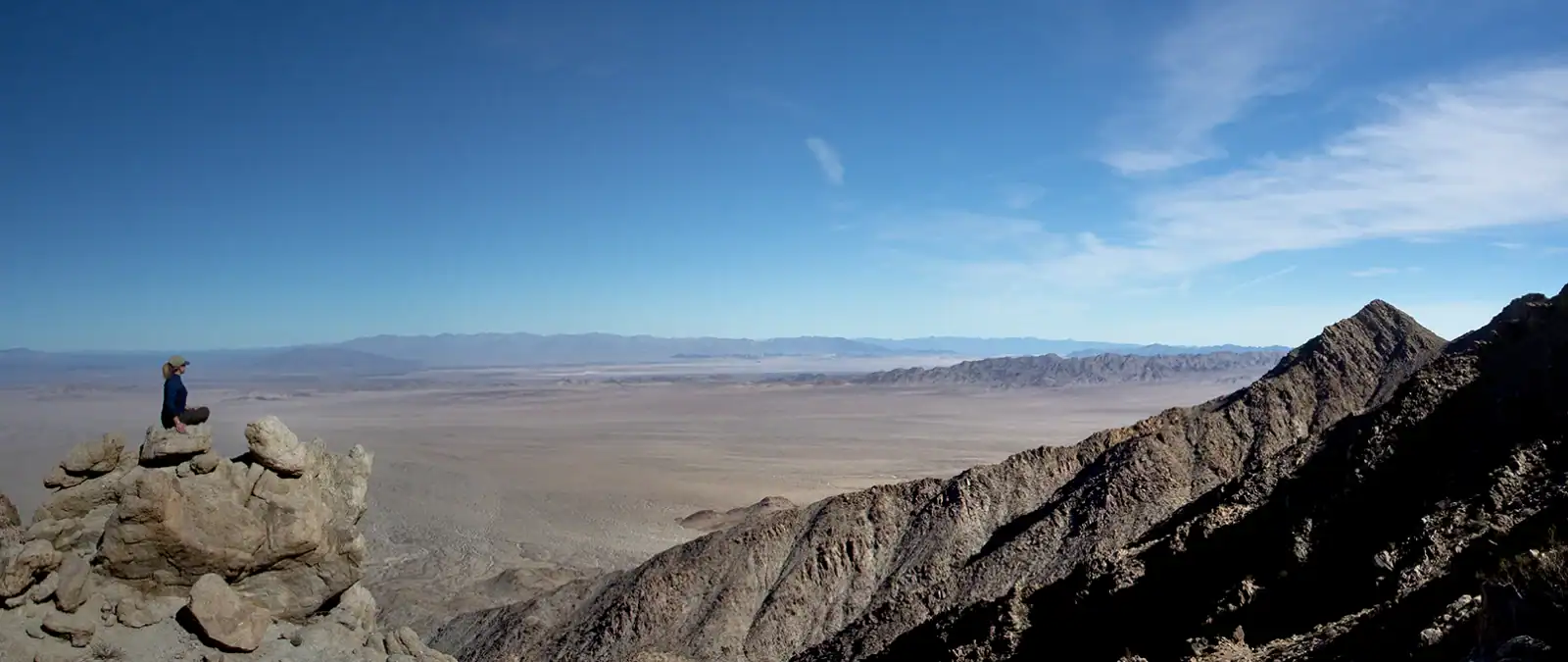
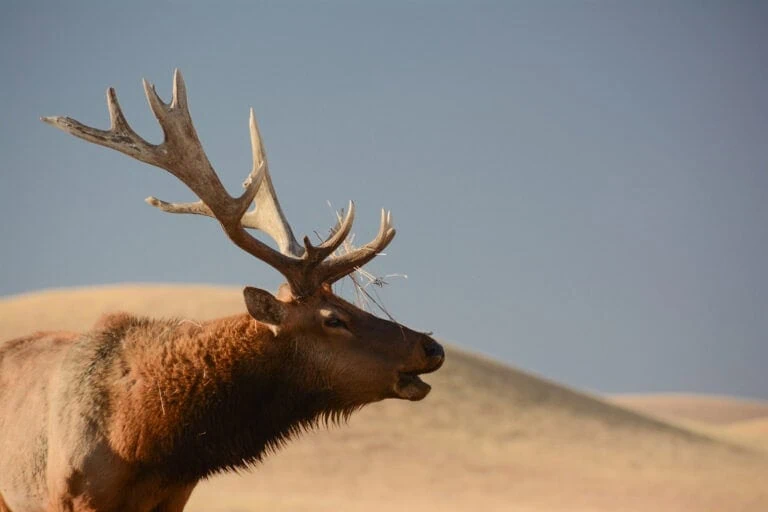
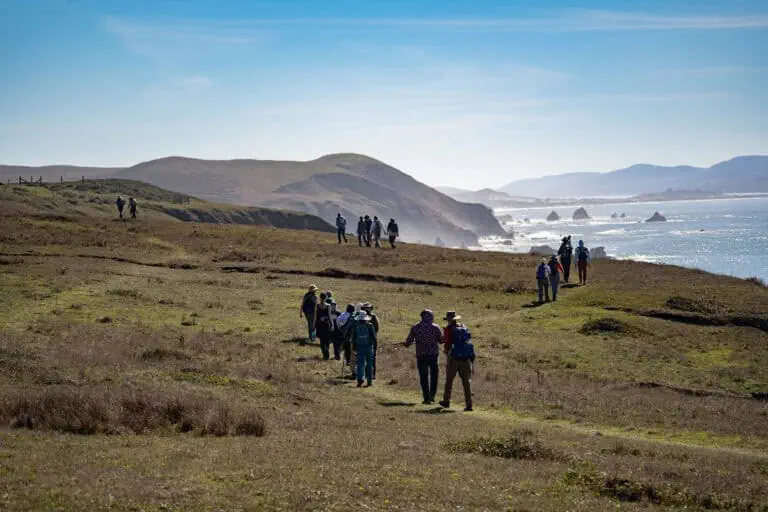
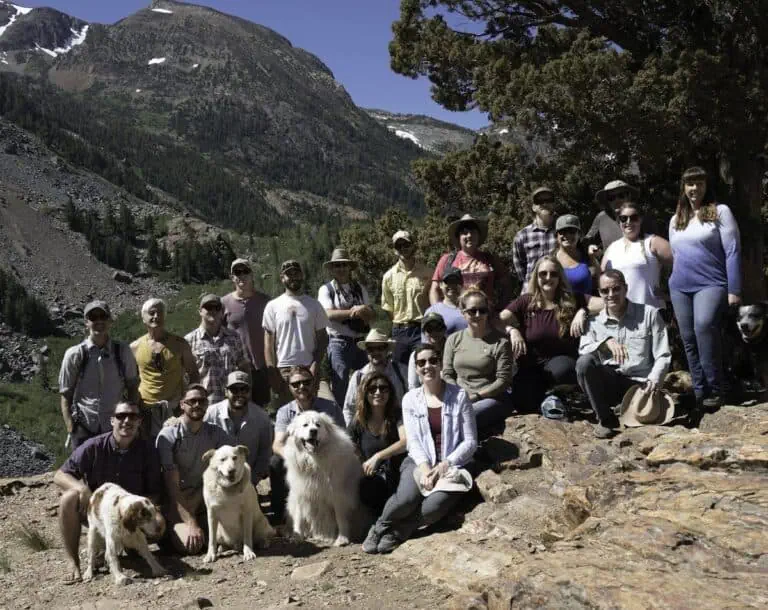
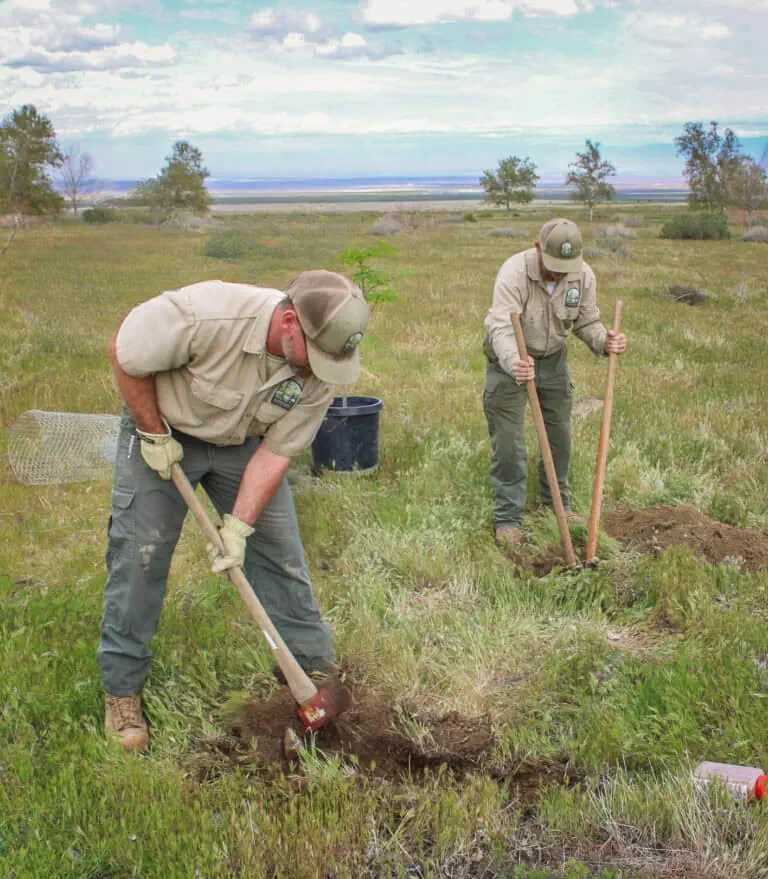
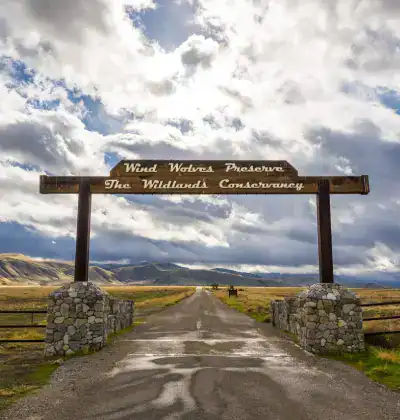
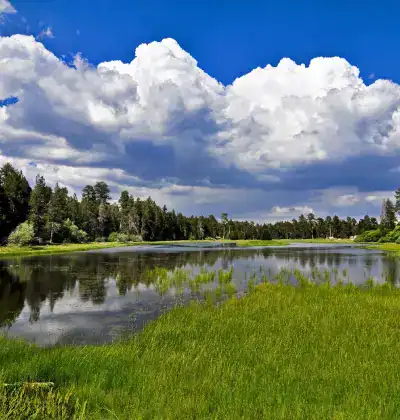
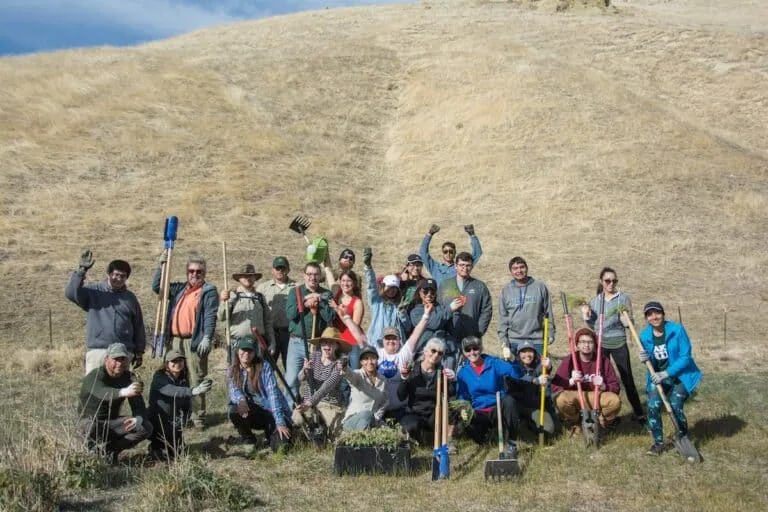
The Wildlands Conservancy manages the fastest-growing nonprofit nature preserve system in the West, with 25 preserves spanning nearly 210,000 acres. More than 1.5 million people visit these wild places each year — open to the public free of charge for hiking, camping, birding, and more. Our rangers and stewards restore native habitats, rewild species, and maintain trails and campsites, working alongside hundreds of volunteers who contribute thousands of hours annually. Together, we ensure these cherished landscapes remain protected and welcoming for all.
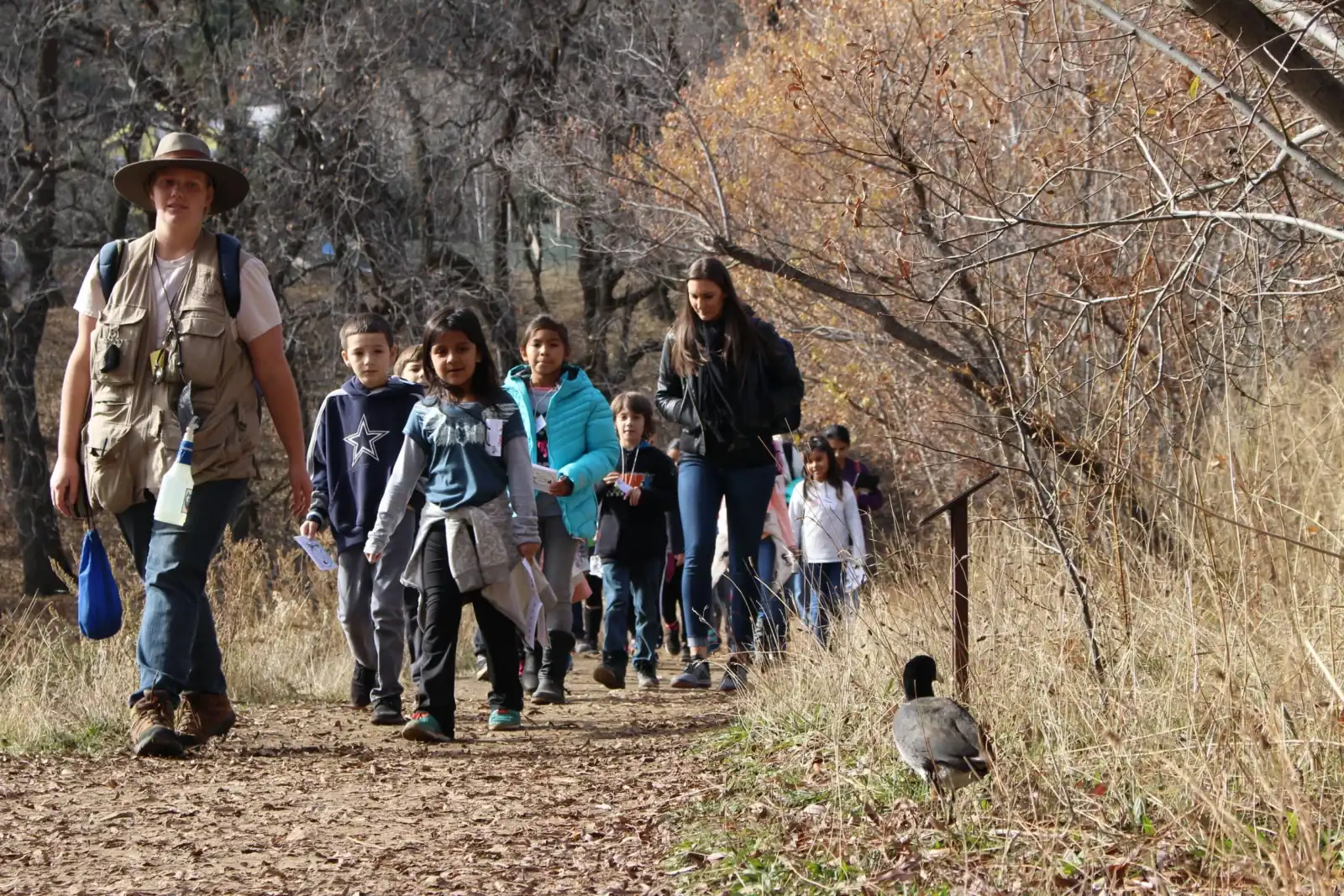
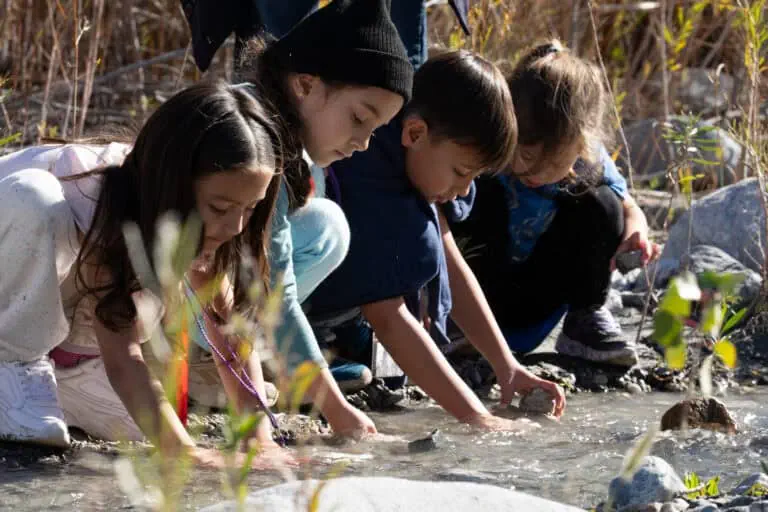
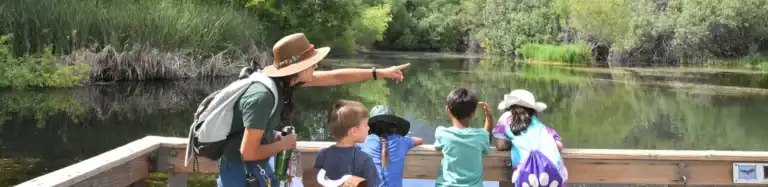
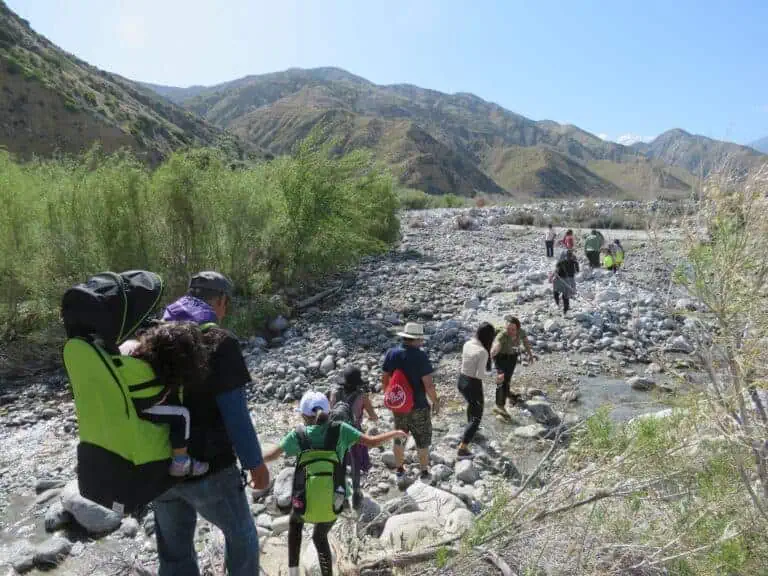
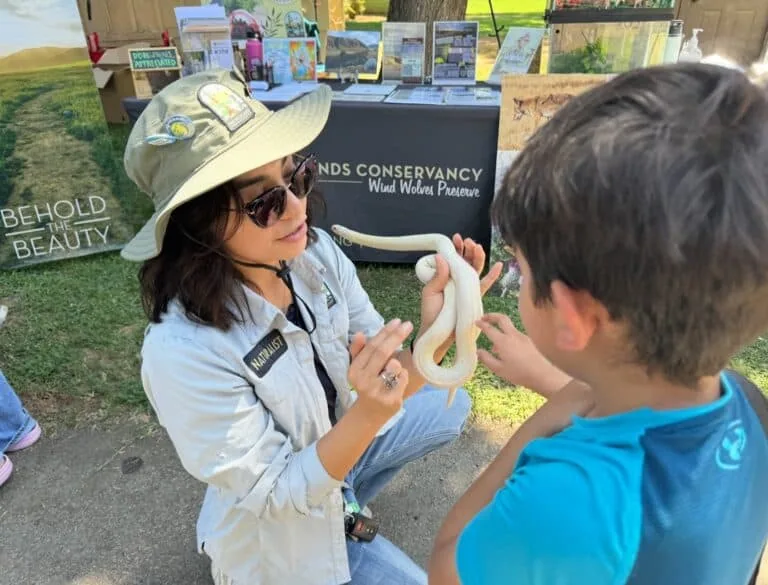
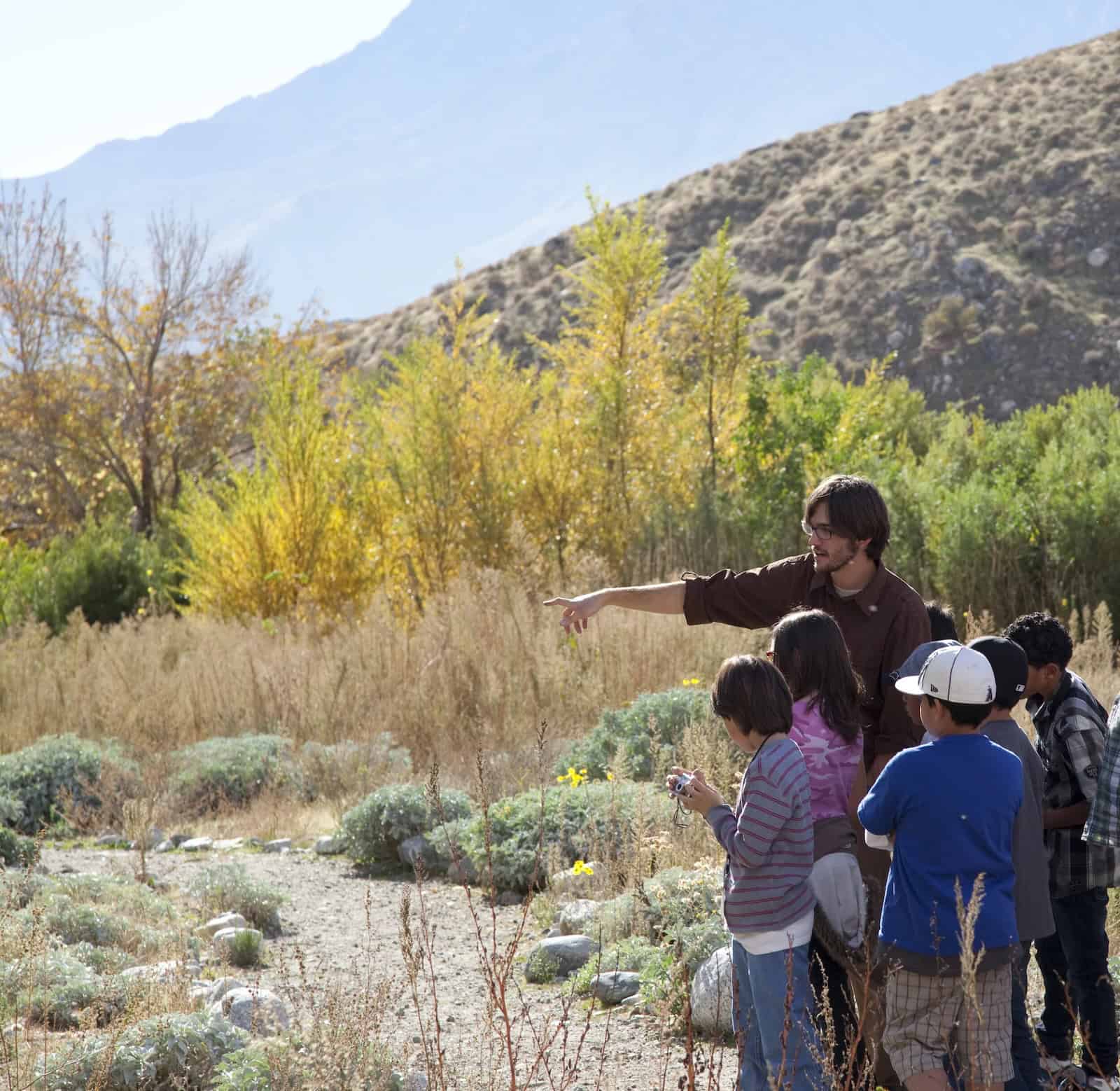
Since 1995, The Wildlands Conservancy has provided free outdoor education to more than 1.3 million underserved youth across Southern California. Today, more than 60,000 children and families each year participate in our programs — from guided field trips to self-paced learning on trails with interpretive signage. Each experience invites curiosity, deepens understanding, and fosters a lasting connection to the natural world.